
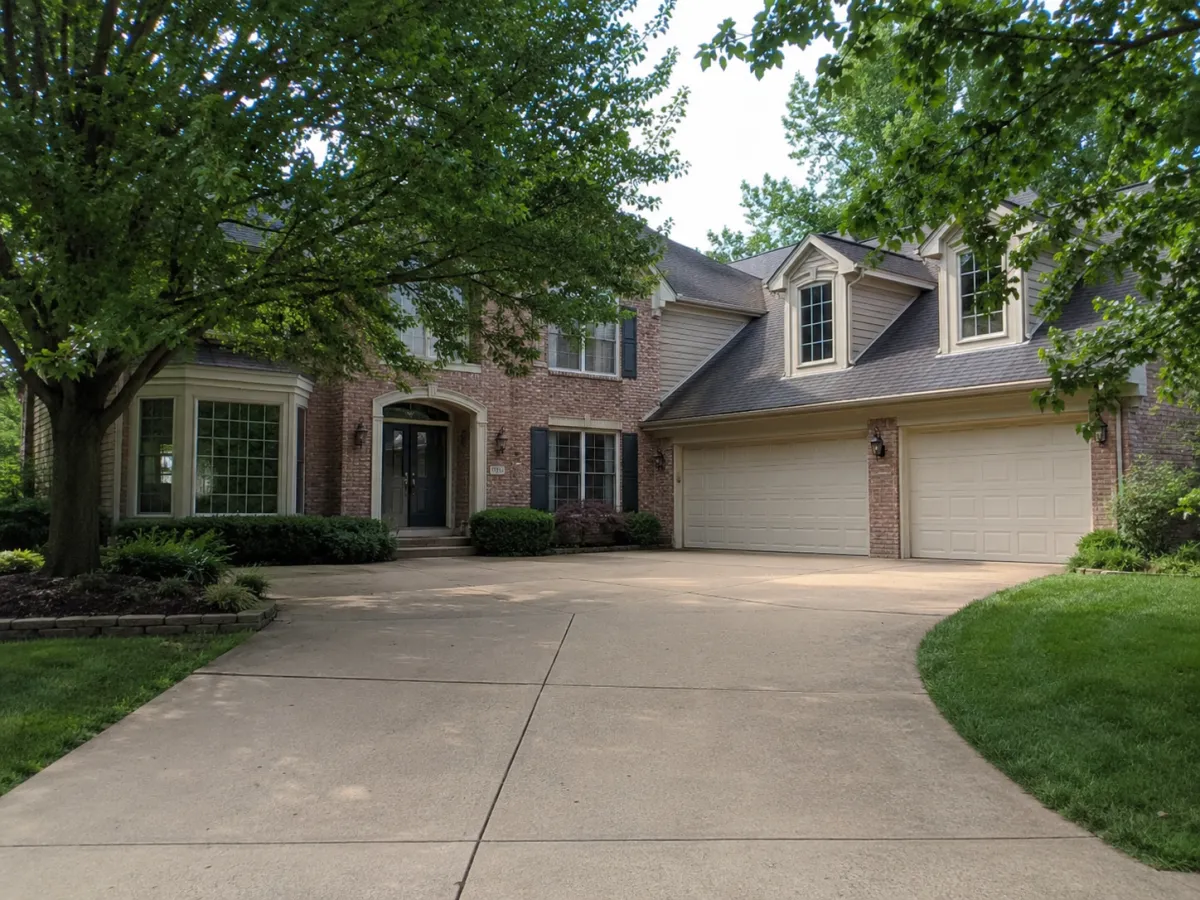
What to Do With an Inherited House You Don't Want: 5 Options
What to Do With an Inherited House You Don't Want: 5 Options
If you've inherited a Chesterfield, MO house you don't want, you have five main paths forward: keep it as a personal residence (move in or use as a second home), rent it out for ongoing income, sell it through a traditional listing with a realtor, sell it directly to a cash buyer, or disclaim the inheritance and refuse the property entirely. Each option has different cost, time, complexity, and emotional implications. The right choice depends on the property's condition, the estate's legal structure, your financial situation, whether other heirs are involved, and what you actually want your life to look like in 12 months. This post walks through each option honestly, including when each one makes sense and when it doesn't.
Why This Decision Is Hard
Inheriting a house you don't want is a uniquely complicated situation. The property arrives along with grief, family dynamics, paperwork, ongoing costs, and decisions you didn't ask to make. Many heirs we work with describe feeling stuck: they don't want the house, but they also don't know how to evaluate the alternatives, and the property keeps generating costs (taxes, insurance, maintenance) while they figure it out.
The five options below cover the realistic paths. Each is genuine, each works for some heirs and not others, and the right choice usually becomes clear once you map your specific situation against the tradeoffs.
This post is a framework, not advice for your specific situation. For specific legal, tax, or estate questions, work with a probate attorney and CPA.
Option 1 — Keep the House (Move In or Use as a Second Home)
Best for: Heirs who could see themselves living in the home, sentimentally value the property, or want a second home in the Chesterfield area.
What it involves:
Transferring title from the estate to your name (typically as part of probate or trust distribution)
Potentially refinancing or assuming the existing mortgage
Taking over property taxes, insurance, utilities, and maintenance
Either moving in or setting up the property for occasional use
The math:
No sale transaction costs
Ongoing costs: property taxes (typically 1% to 2% of home value annually), insurance ($1,500 to $3,500/year for typical Chesterfield home), utilities ($150 to $400/month), maintenance and repairs (1% to 3% of home value annually for typical aging-home upkeep)
If you're moving in, the home replaces whatever you'd otherwise pay for housing
If keeping as second home, ongoing costs without rental income offset
Pros:
Preserves family connection to the property
No transaction stress
Property appreciates with the market
Tax basis is stepped up to date-of-death value (consult CPA for specifics)
Cons:
Significant ongoing financial commitment
All maintenance and repair responsibilities fall to you
If the home needs major work, you fund all of it
May require coordinating with other heirs if multiple inherit
When this works: You actually want to live in or near Chesterfield, the home is in livable condition, you can afford the carrying costs, and you have no other heirs who object to you taking sole ownership.
When this doesn't work: You live somewhere else and don't plan to move, you can't afford the carrying costs, the home needs major work you can't fund, or other heirs need their share of the estate distributed.
Option 2 — Rent It Out as a Long-Term or Short-Term Rental
Best for: Heirs who want ongoing income from the property, can afford to be (or hire) a landlord, and don't need a lump sum from the estate.
What it involves:
Transferring title to your name
Preparing the property for rental (typically cosmetic updates, safety upgrades, ensuring systems work)
Setting rent based on local market
Either self-managing or hiring a property manager
Ongoing tenant screening, maintenance, repairs, and tax/insurance management
The math:
One-time prep costs: $5,000 to $25,000+ depending on property condition
Monthly income: typical Chesterfield single-family rental rents range $1,800 to $3,800/month depending on size and condition
Monthly costs: mortgage (if any), taxes, insurance, maintenance reserve, property management (typically 8-10% of rent if hired), vacancy reserve (5-10% of rent)
Tax implications: rental income is taxable; depreciation and expenses are deductible (consult CPA)
Pros:
Ongoing monthly income
Property appreciates while you hold it
Tax advantages of rental property ownership
Can sell later if circumstances change
Cons:
You become a landlord (or pay someone 8-10% to be one)
Tenant issues, vacancies, maintenance emergencies
Property condition deteriorates over time without ongoing investment
Capital is locked up in the property
Out-of-state management is significantly harder
When this works: You want long-term income and appreciation, the property is in rentable condition (or close to it), you have either the time to self-manage or the budget for a property manager, and you're comfortable being a landlord.
When this doesn't work: You live out of state and don't want to manage remotely, the property needs significant work to be rent-ready, you need a lump sum more than monthly income, other heirs need their share distributed, or you don't want the ongoing involvement.
For a fuller treatment of selling a rental property if you change your mind later, see our rental property page.
Option 3 — Sell Through a Traditional Listing With a Realtor
Best for: Heirs whose inherited property is in good condition, who can manage the listing process, and who prioritize maximum gross sale price.
What it involves:
Transferring title or having the personal representative sign on behalf of the estate
Preparing the home for market (cleanout, cosmetic updates, repairs, staging)
Listing with a realtor (typically 5-6% commission)
Showings, offers, negotiations, inspections
Closing typically 45 to 90 days after listing
The math:
Pre-listing prep: $5,000 to $40,000+ depending on condition and what's needed
Cleanout (for inherited properties with contents): $3,000 to $25,000+
Real estate commissions: 5% to 6% of sale price
Seller closing costs: 1% to 3% of sale price
Holding costs during listing: $1,500 to $3,000/month for typical 45-75 day timeline
Buyer concessions and inspection-driven repairs: 1% to 3% of sale price
Net proceeds: typically 80% to 87% of gross sale price after all costs
Pros:
Highest gross sale price in most cases
Familiar process for most people
Realtor handles most logistics
Can take time to find the right buyer
Cons:
Significant pre-listing investment of time and money
The cleanout for inherited properties is exhausting
45 to 90+ day timeline
Holding costs accumulate during listing
Buyer financing fall-through risk
Disclosed inherited property condition can scare buyers
When this works: The home is in good condition, you have time and emotional bandwidth for the listing process, you can fund the pre-listing prep, and you live close enough to manage showings.
When this doesn't work: The home needs significant work, you live out of state, the property has been vacant or full of accumulated contents, you can't fund prep costs, you need certainty rather than waiting on buyers, or you don't want the ongoing process.
Option 4 — Sell Directly to a Cash Buyer
Best for: Heirs who want a clean exit, can't fund pre-listing prep, live out of state, have a property with significant contents or condition issues, or simply want the situation resolved quickly.
What it involves:
Coordinating with the estate attorney (if probate is involved) or directly if the property was in a trust or transferred via a beneficiary deed
One walkthrough at the property
Receiving a written cash offer
Signing a purchase agreement and closing at a local title company
Walking away — the cash buyer handles contents cleanout, repairs, and resale
The math:
Pre-sale costs: $0 (no prep, no cleanout, no repairs, no staging)
Closing costs: $0 (cash buyer typically covers)
Commissions: $0 (no realtor involved)
Cash offer: typically 65% to 85% of after-repair value, minus repair scope
Timeline: 14 to 60 days from first contact to close depending on probate type
Net proceeds: the offer is what you walk away with
Pros:
No pre-sale work of any kind
Property contents can stay (you take what you want, leave the rest)
Fast closing on your timeline
Certainty (no buyer financing or inspection contingencies if working with capital-funded buyer)
Coordination with estate attorney is straightforward
Out-of-state heirs can complete entirely remotely
Cons:
Lower gross price than a traditional listing
Requires verifying the buyer is legitimate (see our post on are we buy houses companies legit)
When this works: The property needs significant work, you live out of state, the home has contents that would require major cleanout, multiple heirs want a clean split of proceeds, you have a timeline constraint, or the certainty and speed of a cash sale outweighs the lower gross price.
When this doesn't work: The home is move-in ready and you have the time and bandwidth for a traditional listing, the gross sale price difference is significant enough to justify the additional work, or you have other reasons to want a traditional sale process.
For more on the inherited-house-specific cash sale process, see our Sell Inherited House in Chesterfield page.
Option 5 — Disclaim the Inheritance
Best for: Heirs who don't want the property AT ALL, even temporarily, and who have determined that taking the inheritance creates more problems than it solves.
What it involves:
Filing a formal disclaimer with the probate court (typically within 9 months of the deceased's death under federal estate tax rules, though state rules vary)
The property then passes to the next person in line under the will or intestacy laws
You receive nothing from the property and have no further responsibilities
The math:
$0 in (you get nothing)
$0 out (you have no costs)
Strict deadlines apply
Pros:
Complete clean break from the property
No taxes, insurance, maintenance, or sale logistics
Can be the right answer if the property has more debt than equity, has serious legal issues, or comes with liabilities that exceed value
Cons:
You give up any value the property has
Cannot un-disclaim once filed
Strict filing deadlines (typically 9 months in Missouri)
Must follow specific legal procedures
The property goes to the next heir, who may not want it either
When this works: The property has more debt than equity, has serious title issues you can't resolve, comes with significant liabilities (environmental issues, ongoing litigation, structural problems that exceed value), or you have genuine reasons to want zero involvement.
When this doesn't work: The property has any equity, you could realistically sell it for more than the costs of doing so, or other family members want the property to pass through normal channels.
For specific guidance on disclaiming an inheritance, work with a Missouri probate attorney. The deadlines and procedures are strict and irreversible.
How to Decide Which Option Fits
A simple decision framework based on what you've read above:
Start with these questions:
Do you want to live in or use the property? If yes → Option 1 (keep)
Do you want ongoing rental income and are willing to be a landlord? If yes → Option 2 (rent)
Is the property in good condition, and do you have time/bandwidth for a 60-90 day listing process? If yes → Option 3 (list)
Do you want a clean exit fast, especially if the property has condition or contents issues, or you live out of state? If yes → Option 4 (cash sale)
Does the property have more debt or liability than equity? If yes → Option 5 (disclaim) — work with attorney
For most heirs we work with, the realistic choice comes down to Options 3 (list) or 4 (cash sale). Option 1 (keep) requires wanting to actually use the property. Option 2 (rent) requires landlord appetite. Option 5 (disclaim) only applies in specific edge cases.
Between listing and cash sale, the deciding factors are:
Property condition (the worse it is, the more cash sale makes sense)
Geographic distance (the further you live, the more cash sale makes sense)
Time pressure (the more urgency, the more cash sale makes sense)
Net dollar gap (sometimes the gross price difference is large enough that listing is worth it)
A Note on Coordinating With Other Heirs
If you're not the only heir to the property, the choice isn't entirely yours. Different heirs may want different paths. Common patterns:
All heirs aligned on selling: Straightforward. The personal representative coordinates the sale (Option 3 or 4) and the title company splits proceeds at closing.
Heirs split on selling vs. keeping: The heirs who want to keep can buy out the heirs who want to sell, then the property stays with the keeping heirs. This requires financing for the buyout.
Heirs split on listing vs. cash sale: Usually resolves to listing if there's no time pressure, or cash sale if there is. The personal representative often has authority to make the final call.
Heirs not communicating: Sale can still proceed if the personal representative has authority. Coordination happens through attorneys.
For more on multi-heir scenarios, see our Sell Inherited House page which covers this in depth.
Frequently Asked Questions
Can I just walk away from an inherited property?
Not exactly. Once you've accepted the inheritance, you're responsible for it. To formally "walk away," you'd need to either disclaim the inheritance within the legal deadline (Option 5 above) or sell/transfer the property. Simply abandoning a property doesn't eliminate your responsibility for taxes, insurance, or ongoing obligations. Talk to a probate attorney if you're considering disclaimer.
How long do I have to decide what to do with an inherited Chesterfield house?
There's no universal deadline for deciding, but several practical timelines apply:
Disclaimer (if you're considering Option 5): typically 9 months from the deceased's death under federal estate tax rules
Probate process: typically takes 6 to 12 months for independent administration, longer for supervised
Ongoing carrying costs accumulate every month you wait (taxes, insurance, utilities, maintenance)
The home's condition may deteriorate if vacant for extended periods
Most heirs we work with make their decision within 1 to 6 months of inheritance.
What if I can't afford to keep the inherited property even temporarily?
You have options. The cash sale path (Option 4) can close in as little as 14 to 30 days from first contact, getting you out of the carrying costs quickly. The estate may also be able to advance funds to cover holding costs during a probate process. Your probate attorney can advise on what's available given your specific situation.
Does selling an inherited house affect my taxes?
It can. Inherited property typically receives a "stepped-up basis" to the date-of-death market value, which often means little or no capital gains tax on a sale shortly after inheritance. For specific tax guidance, consult a CPA. We can describe what we typically see, but we are not tax professionals.
What if the inherited property has a mortgage?
The mortgage typically gets paid off at closing from sale proceeds, the same as any home sale. If the mortgage exceeds the sale price, that's a separate conversation involving the lender. Some mortgages have "due on sale" clauses that may be triggered by inheritance — talk to the lender about your specific loan.
What if the property has been vacant for a long time and is in poor condition?
This is one of the most common situations we work with. Long-vacant inherited properties often have deferred maintenance, weather damage, pest issues, and accumulated contents. The cash sale path (Option 4) is typically the fastest and easiest exit. Listing (Option 3) is harder because the property usually needs significant prep before going on the market.
Talk to a Local Team About Your Inherited Chesterfield Property
If you've inherited a Chesterfield-area property and want to walk through which of these options fits your situation, we'd be glad to talk. There's no obligation and no pressure. We'll be honest about which path we'd recommend based on your specifics, even if that path isn't selling to us.
No obligation. No pressure. Your information stays private.